
Our Work ▸ Historic Kingston ▸
Now more than ever, your support is needed to continue our work protecting and restoring at-risk habitats and the historically vital natural resources throughout Kingston and beyond.

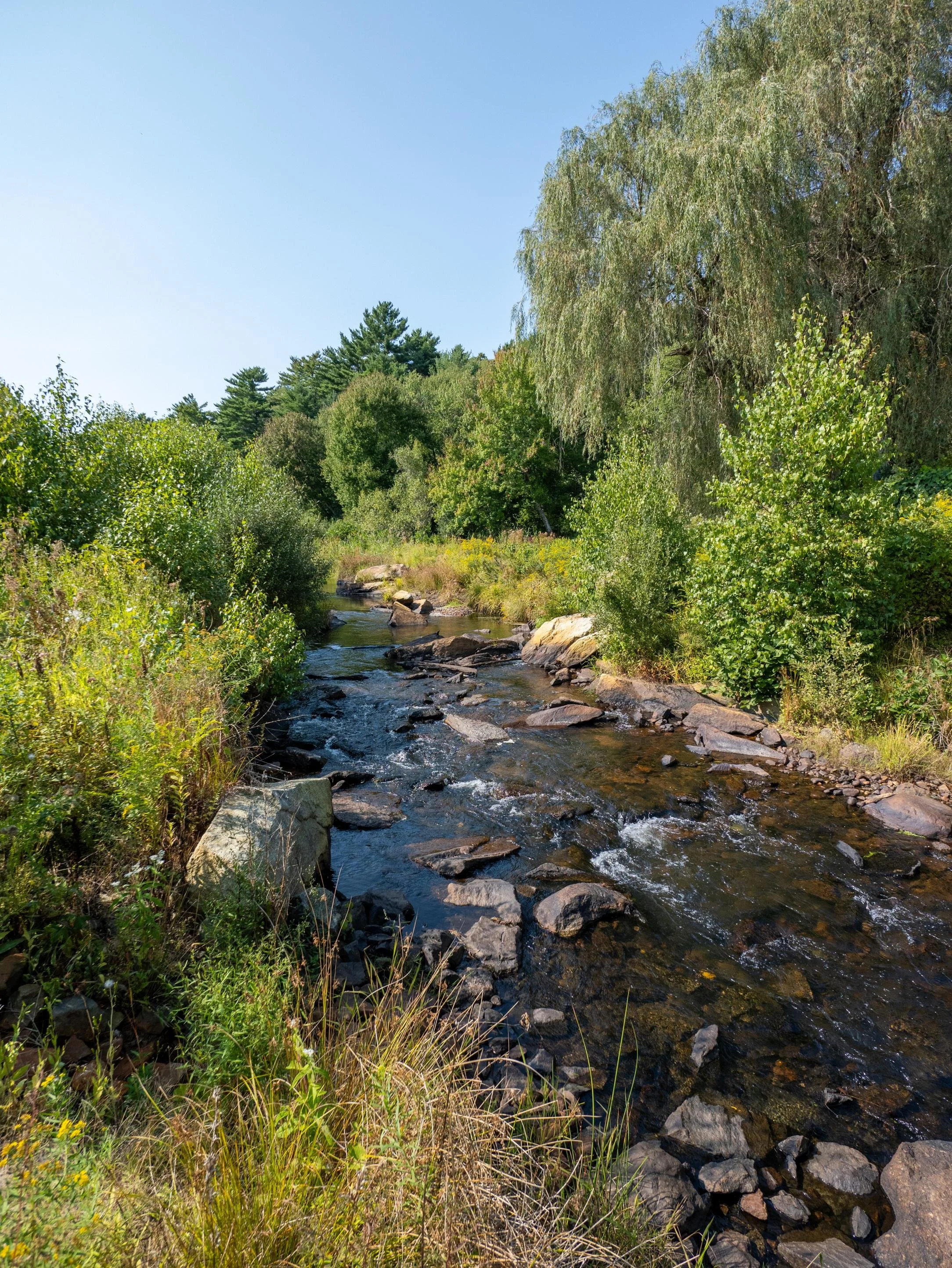
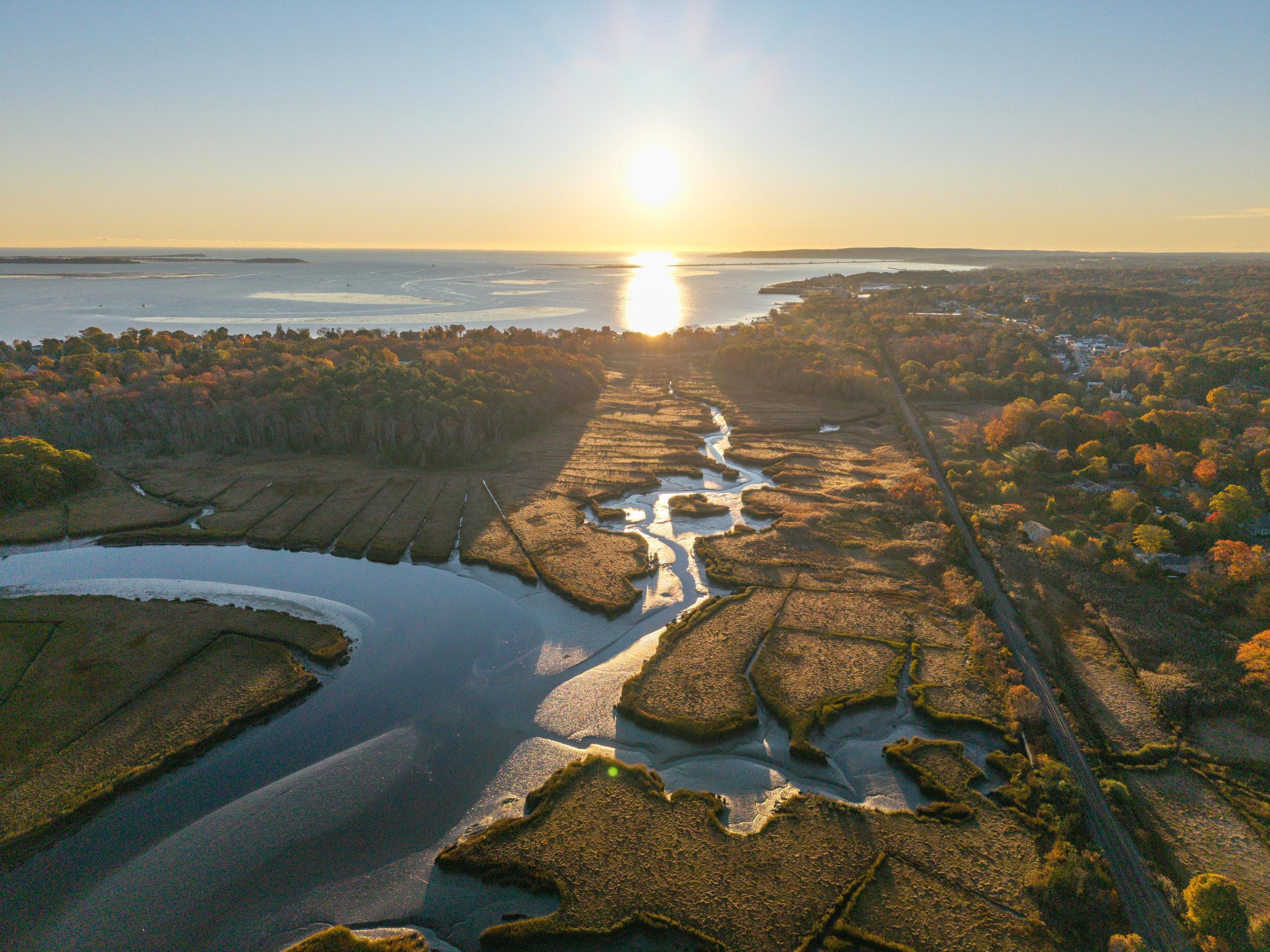
The history of human navigation of the Jones River began long before the arrival of European colonists. The Jones, which winds its way through what we now know as Kingston Massachusetts, is the largest river draining to Cape Cod Bay and has its headwaters at Silver Lake, a 640 acre great pond. It is almost certain that it served as a crucial waterway connecting the native Wampanoag people to two abundant resources for more than twelve thousand years prior to the arrival of the Mayflower in 1620. The river now takes its name from the Captain of the Mayflower, Christopher Jones, after a scouting party identified the usefulness of the river for the transport of both people and goods.
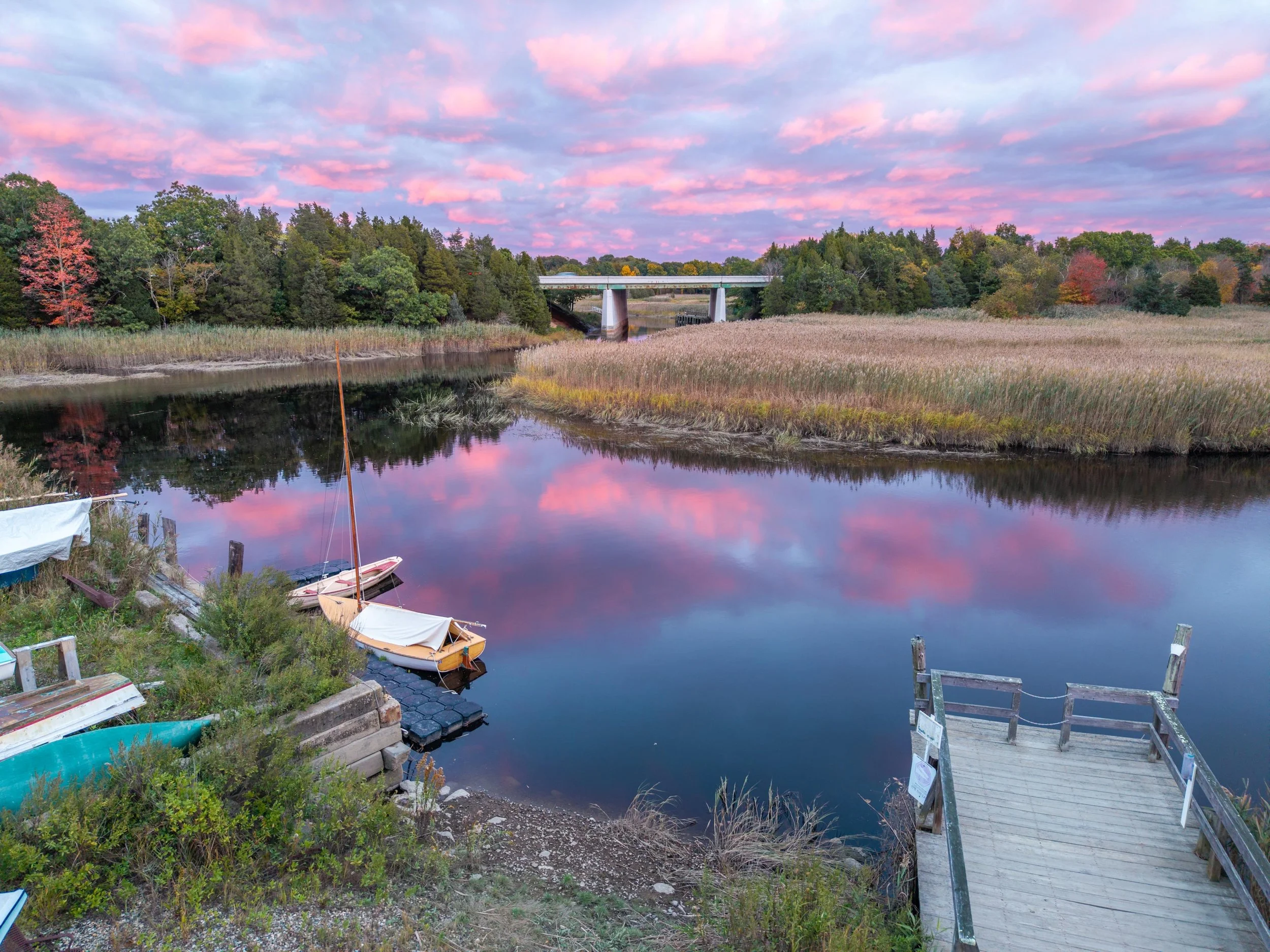
The Pilgrims settled along both sides of the river, establishing Plymouth and Duxbury colonies, with parts of the Plymouth colony eventually breaking away and founding the Town of Kingston in 1726. Early colonists utilized ferries and bridges to connect the two settlements, and by the end of the 17th century a drawbridge was constructed to allow for easier transport of goods via tall masted ships. This would prove crucial as master shipbuilder Samuel Drew built a large shipyard along the land that is currently known as Landing Road, part of which likely encompassed what is now known as Jones River Landing - the headquarters of the Jones River Watershed Association. The Drews continued to build ships along this stretch of river for generations, and their tradition has been kept alive to this day by a group of volunteers who build wooden ships at Jones River Landing.
Perhaps the most famous ship built along this river bank is the Brig Independence, which set sail in 1776 to protect the Massachusetts coast from the British as the first ship of the Massachusetts Naval Militia. It did not serve long, as it was captured by the British in 1777, but still adorns the Town of Kingston seal as a symbol of the newly independent colonists’ willingness to stand up to the most dominant force on the globe using their own ingenuity, resources and skill.

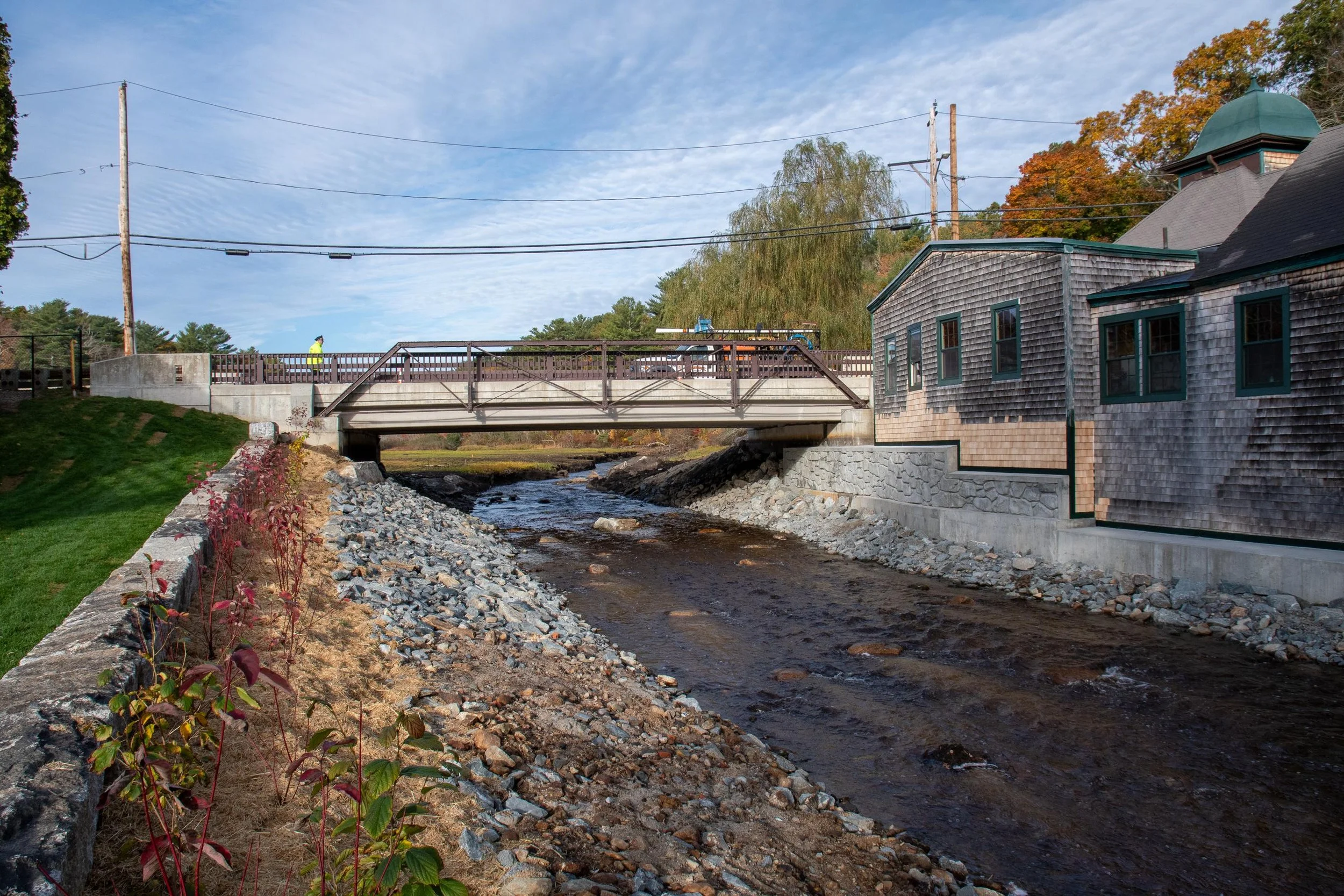
All of this history of industry along the Jones River did not come without a cost. Dams were constructed to power mills, forges and other tools which had a devastating effect on the migratory fish population in the region, which were suddenly cut off from their spawning ground at Silver Lake. In 1985, the Jones River Watershed Association, Jones River Landing’s parent non-profit, was founded to reverse that damage by removing now defunct dams and finally allowing migratory species like river herring, American eel, and rainbow smelt to once again freely navigate the river.
While JRWA has had massive success in dam removals along the Jones, our work is not done, and the challenges we face in this modern age are unrelenting. Though the Jones River will soon be passable, the important tributaries that feed it suffer from similar problems. Throughout our 40+ years of stewardship, we have realized that the best way to protect our ecosystem is by restoring it to natural conditions as best we can. Your support can make this a reality.